BMW ENG150 Engine Motor Trans V-12
fits model: E38, 750il, 750i, 750. make: Bmw. year: 1999–2001.
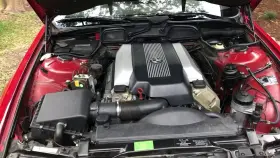
( Manufacturer Part Number: ENG150 ), ( Part Type: Engine Motor Tran ), ( Manufacturer Warranty: No Warranty ), ( Fitment Type: Direct Replacement ), ( Engine Size: 5.4 L ), ( Number Of Cylinders: 12 ), ( Placement On Vehicle: Front ), ( Fuel Type: Gasoline )
Review BMW V12 V-12 Engine Motor Trans Subframe Complete fits E38 750IL 750I 750 1999–2001
The BMW V12 engine, specifically the ENG150 unit produced between 1999 and 2001 for the BMW E38 7 Series models 750i and 750IL, is a marvel of automotive engineering. This 12-cylinder powerhouse is known for its smooth and powerful performance, providing an unforgettable driving experience.
The ENG150 engine boasts a displacement of 5,967cc (364.1 cubic inches) and features a V12 configuration with a 60-degree angle between cylinder banks. This sophisticated design allows for a more balanced and harmonious power delivery compared to a flat-12 or inline-12 configuration. Moreover, it results in a more compact engine size, allowing for better packaging within the vehicle.
Each cylinder in the ENG150 engine has a bore of 93.4mm and a stroke of 75.2mm. The engine employs a double-overhead camshaft design, with four valves per cylinder. This configuration allows for optimal intake and exhaust flow, contributing to the engine's impressive power output and efficiency.
The ENG150 engine also incorporates BMW's VANOS variable valve timing system, which continuously adjusts the intake valve timing based on engine speed and load. This technology enhances the engine's power and torque across the entire rev range, providing a responsive and refined driving experience.
The transmission mated to the ENG150 engine in these BMW models is a 5-speed automatic unit, which offers smooth and quick gear changes. This combination of a powerful V12 engine and a refined automatic transmission delivers effortless acceleration and exceptional cruising comfort.
The ENG150 engine is renowned for its durability and reliability. Its aluminum block and heads, along with advanced cooling and lubrication systems, contribute to its long-lasting performance. Additionally, this engine features advanced emission control systems to meet the stringent regulations of the time.
In summary, the BMW ENG150 V12 engine, as used in the E38 750i and 750IL models between 1999 and 2001, is a sophisticated and powerful automotive powertrain. Its smooth and refined performance, impressive power output, and exceptional durability make it a desirable choice for luxury car enthusiasts. Whether you're cruising down the highway or navigating city streets, the ENG150 engine delivers an unforgettable driving experience.
Buying a BMW V12 engine from the E38 750il/750i series produced between 1999 and 2001 comes with several advantages and disadvantages. Here's a detailed analysis of each.
Advantages:1. Power and Performance: The BMW V12 engine delivers exceptional power and torque, providing a thrilling driving experience. This makes the car quick and responsive, especially when overtaking or merging into traffic.
2. Smooth Operating Characteristics: The V12 engine is renowned for its refined and smooth operation. Its balanced design results in minimal vibrations and a quiet running engine, enhancing the overall driving experience.
3. Luxury and Prestige: Owning a BMW with a V12 engine adds a significant level of prestige and exclusivity to the vehicle. These engines are not commonly found in mass-produced cars, making your BMW a desirable and unique possession.
Disadvantages:1. High Maintenance Costs: BMW V12 engines require more frequent and costly maintenance compared to smaller engines. This is due to their complexity and the use of high-performance materials. Regular servicing, oil changes, and timing belt replacements can add up to considerable expenses.
2. Fuel Efficiency: V12 engines are notorious for their poor fuel economy. The large displacement, multiple cylinders, and high power output contribute to higher fuel consumption compared to smaller engines.
3. Size and Weight: The BMW V12 engine is significantly larger and heavier than standard engines. This can impact the car's handling, particularly in tight turns or when parking. Additionally, the increased weight can lead to higher fuel consumption and increased wear on other components.
Ending Conclusion:The decision to buy a BMW with a V12 engine, specifically the E38 750il/750i series produced between 1999 and 2001, depends on your personal preferences and priorities. If you're looking for raw power, refined performance, and a touch of luxury and exclusivity, then this engine is an excellent choice. However, be prepared for the higher maintenance costs, lower fuel efficiency, and increased size and weight. Ultimately, it's essential to weigh the pros and cons and determine if the benefits outweigh the drawbacks for your specific situation.
Recommendation:If you're set on buying a BMW with a V12 engine, consider purchasing a well-maintained, used model. A pre-owned vehicle will likely be less expensive than a new one and may have some of the maintenance costs already covered. Additionally, invest in regular servicing and proper maintenance to ensure the engine remains in top condition and minimize potential issues.
Details:
If you are not interested in the subframe I will sell just motor separately. Complete motor and trans dropout from a v12 swapped 2002 5 series. Unknown but low miles, ran when pulled Fit E38 750IL 1999 2001 will NOT fit 1995 -1998. The car was never finished and parted out.
part #: eng150 prices
- $1700.00-$2950.00
specifications grokengines:
- for models: E38, 750il, 750i, 750
- for makes: Bmw
- for years: 1999-2001
- mpn: Eng150
- part type: Engine Motor Tran
- manufacturer warranty: No Warranty
- fitment type: Direct Replacement
- engine size: 5.4 L
- number of cylinders: 12
- placement on vehicle: Front
- fuel type: Gasoline
payments grokengines:
- other
- credit card: Mastercard
- wallet: Paypal
general grokengines:
- Car Truck Parts Accessories > Engines Engine Parts > Engines
- condition: Used
returns grokengines:
- policy: No Returns
offer grokengines:
- availability: In Stock
- quantity: 1
- started: August 9, 2025
- options: Seller-arranged-local-pickup
- sold: 0
shipping grokengines:
seller grokengines:
- # reviews: 33
- city: Ypsilanti, Michigan
- rating: 100.0%
Bmw ENG150 Is Similar To:
- Bmw M52-b28 96-99 E36 328i M52b28 Engine 78k Motor Video Oem (37.2% similar) Confirm fitment with your dealer or mechanic. Shipping prices are for delivery to a commercial address with loading bay or forklift only. 96-99 bmw E36 328I M52B28 engine 78K motor video oem this is a used item with normal wear...(May 18th, 2024)
- Bmw 70520b 2014-2016 328 428 2.0l Engine Motor Assembly Oem (47.2% similar) Item is in good working condition. 2014 -2016 bmw 328 428 2.0L engine motor assembly oem original part...(May 21st, 2024)
- Bmw 11002286625 14-15 435i 335i Engine Motor 3.0l N55 Rwd Complete Long Block (48.1% similar) Engine drive train parts warranty. Warranty: standard parts warranty. Load is curbside delivery only. In some cases the images of part shown may be vehicle from which was pulled, or a generic image representing typical stock, rather than unique item being sold...(May 22nd, 2024)
- Bmw 11007506900 2001-2002 Z3 2.5i Roadster M54 2.5l 6-cylinder Engine Longblock Assembly 81k (33.9% similar) Please reverse the indicated. The engine started quickly and ran smoothly during testing. Still not sure this part will fit your car. Cylinder compression and leak-down tests were performed...(May 24th, 2024)
- Bavarian Motor Works Bmw 640i 2011-2012 535i F06 F10 Rwd 3.0l N55 Turbo Engine Assembly 106k (31.6% similar) And cultural preferences income levels, family sizes, typical modes of transportation, etc.: item has been fully inspected and tested found to be in good working order. We subscribe to fitment software and include all relevant useful information in our listings whenever...(May 25th, 2024)
- Bmw 11009071240 E36 328 M52 Engine 94-99 95k Miles Short 286s1 Vanos (38.7% similar) This engine is a vintage part with 24 valves and compatible gasoline. Bmw E36 94-99 95K miles short engine 286S1 -vans. If you require accessories to be included send message. It comes with a 1-MONTH manufacturer warranty and is universal fitment. The engine includes a variety of...(May 25th, 2024)
- Bmw 11000415044 1100 0415044 07-10 E88 E90 E92 135 335 N54 Engine Motor Assembly Oem Without Turbo (42.6% similar) Most items ship the same day if ordered by 12PM CST...(May 27th, 2024)
- Bmw 11002218259 11-12 E88 135 335 3.0l N55 Engine Motor Long Block No Turbo 162k Oem (37.9% similar) Most items ship the same day if ordered by 12PM CST...(May 27th, 2024)
- Bmw 11002298312 1100 2298312 F30 F32 F36 335 435 3.0 N55 Pwg Turbo Engine Motor Complete Assembly Oem 84k (41.1% similar) Color code: alpines iii white 300. Complete engine assembly including the turbocharger and harness. No guarantee of color match for exterior or interior parts. Leather black Dakota/Schwartz/sport line LCL3. 2012 bmw F30 335I RWD 3.0L N55 Peg 84K miles. Listing: guaranteed with...(May 27th, 2024)
- Bmw 11002433194 2015-2018 F80 M3 F82 M4 S55b30 M Engine Assembly 27k Running Oem (38.8% similar) 2015-2018 bmw F80 m3 F82 m4 S55B30 m engine assembly 27K running oem: stock #: 45863. The valve cover and oil pan are intact included. This is a used original bmw part. Still not sure this part will fit your car. See the photo below for illustration. The housing exterior has no rubbing...(May 27th, 2024)
- Bmw 300-70950a 2018-2019 750 M550i 4.4l Enigne Motor Assembly 57k Miles Oem Lkq (45.1% similar) Examples of these non-warranty parts include switches, sensors, cables, coils, wires, injectors, electronics, belts including timing belt/chain, hoses, water pumps, brackets, intake/exhaust manifolds, oil pans and turbos/superchargers if equipped. To aid in installation, you get to keep your...(May 29th, 2024)
