FORD TRUCKS BL3Z6007C Upper Transit Engine Swap Intake Cam 150 3.7L Intake/ Sensor
fits model: 250, 350. make: Ford. year: 2015.
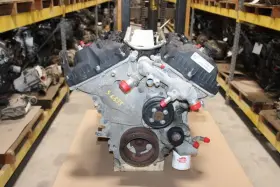
( Brand: Ford Trucks ), ( Manufacturer Part Number: BL3Z6007C ), ( Engine Size: 3.7 L ), ( Fuel Type: Gasoline ), ( Type: Complete Assembly ), ( Id: 64eef234-9832-4082-919e-09a3a35a7f60 ), ( Interchange: 300-9137b )
Review FORD TRUCKS Transit 3.7l Engine Assembly Swap Upper Intake/ Cam Sensor fits 250 350 2015
The Ford BL3Z6007C upper intake and cam sensor kit is a high-performance upgrade designed specifically for the Ford Transit 150, 250, and 350 series with the 3.7L PFGI engine. This engine swap component is an essential modification for those seeking improved engine performance and efficiency.
The upper intake manifold in this kit is meticulously engineered to provide better flow and increased power by optimizing the intake ports and runners. The new design allows for a more efficient air-fuel mixture to enter the engine, resulting in smoother combustion and enhanced power output.
The cam sensor, included in the kit, is an essential component of the engine's fuel injection and ignition systems. It monitors the position of the camshaft, providing critical data to the engine control module (ECM) to ensure precise fuel injection timing and optimal engine performance. The Ford BL3Z6007C cam sensor is designed to offer superior accuracy and longevity, ensuring consistent and reliable engine operation.
Installing this upper intake and cam sensor kit in your Ford Transit is a straightforward process, and it's an excellent upgrade for those looking to maximize the potential of their 3.7L engine. By improving the intake flow and ensuring accurate cam sensor data, you'll experience increased horsepower, torque, and overall engine performance. Additionally, this kit is an excellent investment for those planning to modify their engines further, as it sets the foundation for improved power and efficiency.
In summary, the Ford BL3Z6007C upper intake and cam sensor kit is a must-have for Ford Transit 150, 250, and 350 series owners with a 3.7L engine. This high-performance upgrade offers improved intake flow, accurate cam sensor data, and increased power output, making it an excellent investment for those seeking to maximize their engine's potential.
Ford Transit 150 3.7L Engine Swap: Upper Intake and Cam Sensor Pros and Cons
Introduction:The Ford Transit 150 is a popular commercial vehicle known for its durability and versatility. However, some owners may consider upgrading their vehicle's engine performance by performing an engine swap using a 3.7L engine with an upper intake and cam sensor. In this analysis, we will examine the potential advantages and disadvantages of this engine swap.
Pros:1. Improved Power and Torque: The 3.7L engine produces more power and torque compared to the standard 3.5L engine, leading to better acceleration and hauling capabilities for the Transit 150.
2. Enhanced Fuel Economy: Although not a significant improvement, some drivers have reported a slight increase in fuel economy due to the more efficient combustion process of the 3.7L engine.
3. Superior Cooling: The upper intake manifold of the 3.7L engine is designed to provide better cooling, reducing the risk of overheating during heavy loads or extended usage.
4. Stronger Performance: The 3.7L engine is known for its strength and reliability, making it a suitable choice for commercial applications that require consistent, powerful performance.
Cons:1. Complexity and Cost: Engine swaps can be complex and time-consuming procedures that require specialized knowledge and tools. Additionally, the cost of purchasing a necessary parts and labor can be significant.
2. Potential Compatibility Issues: While the engine itself may be compatible with the Transit 150, other components, such as the wiring harness, may require modifications or replacement, adding to the cost and complexity of the swap.
3. Emissions Compliance: Depending on local regulations, installing a non-original engine in a commercial vehicle may not be compliant with emissions standards, potentially leading to fines or other penalties.
4. Warranty Concerns: Performing an engine swap may void the vehicle's original factory warranty, leaving the owner responsible for any repairs or maintenance needed on the new engine or related components.
Conclusion:The decision to perform an engine swap on a Ford Transit 150, including the installation of a 3.7L engine with an upper intake and cam sensor, comes with both advantages and disadvantages. While the potential power and torque gains, improved cooling, and enhanced fuel economy are attractive, the complexity and cost of the swap, potential compatibility issues, emissions compliance concerns, and warranty implications should be carefully considered before proceeding.
Recommendation:If the benefits of the engine swap significantly outweigh the drawbacks for your specific use case, it may be worth pursuing the upgrade. However, it is strongly recommended to consult with a qualified mechanic or engine specialist to assess the feasibility, costs, and potential challenges of the project before proceeding. Additionally, ensure that all necessary permits and emissions compliance requirements are met to avoid any potential legal or financial consequences.
Details:
Engine Assembly/motor. Vehicle Stock #: 6538. Part Stock #.
Airbag Notification. Model: FORD TRANSIT 150.
part #: bl3z6007c prices
- $2250.00-$2699.00
specifications grokengines:
- for models: 250, 350
- for makes: Ford
- for years: 2015
- brand: Ford Trucks
- mpn: Bl3z6007c
- engine size: 3.7 L
- fuel type: Gasoline
- type: Complete Assembly
- id: 64eef234-9832-4082-919e-09a3a35a7f60
- interchange: 300-9137b
payments grokengines:
- other
- wallet: Google-pay
- credit card: Visa
general grokengines:
- Car Truck Parts Accessories > Engines Engine Parts > Engines
- condition: Used
seller grokengines:
- city: Mapleton, Illinois
- rating: 100.0%
- # reviews: 480
returns grokengines:
- policy: Returns Accepted
- paid by: Buyer
- time: 60 Days
shipping grokengines:
- type: Fixed
- class: Freight
- service: Flat Rate Freight
- cost: $0.00
offer grokengines:
- options: Ship-to-home
- sold: 0
- started: March 6, 2025
- availability: In Stock
- best offers: True
- quantity: 1
Ford Trucks BL3Z6007C Is Similar To:
- Ford Truck 300-09537 2016-2019 Transit T150 250 350 3.7l Engine Vin M 65k Miles 1 Year Warr (59.1% similar) Insure the cooling system is flushed and functioning properly. Drain excess oil and coolant from exhaust system. Inspect and replace gaskets seals front seal, rear main valve cover gaskets, oil pan. All other parts that may be provided are accessories and extra parts. No warranty is...(May 17th, 2024)
- Ford Cj5z6007f Used Engine Assembly Fits 2013 Escape 1.6l Vin X 8th Digit Turbo (41.4% similar) Every part is cleaned, tested and inspected by experts. 1.6L vain x 8TH digit turbo w/cylinder head temperature sensor...(May 17th, 2024)
- Ford 300-09094a Engine 4.6l Vin W 8th Digit Gasoline Romeo Fits 98-99 Crown Victoria (29.1% similar) No expedited shipping is available...(May 17th, 2024)
- Ford Truck 300-09009c Engine Assembly 4.0l Sohc Vin E Fits 97-98 Explorer (42.9% similar) Bumper assemblies do not come with upper grilles unless stated. Steering columns: all steering columns sold will come without airbags. 3531 county road 3 NW. Do not necessarily come with and are covered under the 90-DAY warranty warrant a return. If a return is...(May 17th, 2024)
- Ford Fv6z6007c Ft15-ft18 Focus Engine 2.0l Non-turbo 95k Miles (36.9% similar) If quality control discovers any damage, a replacement with equal or lower mileage may be substituted. Message for details. Engine blocks and heads are covered under warranty.timing cover, intake manifold, throttle body, coils, fuel rail included but not warranty. Sensors, wiring, and mounts are...(May 18th, 2024)
- Ford 09195a 2008 Focus 2.0l Engine Motor Dohc 4cyl Oem 72k Miles Lkq 386742244 (31.2% similar) Replace engine oil, oil filter, air fuel filters, coolant-antifreeze. Clear all computer diagnostic codes from the vehicle prior to installing. Examples of these non-warranty parts include switches, sensors, cables, coils, wires, injectors, electronics, belts including timing belt/chain, hoses...(May 19th, 2024)
- Ford 300-9436a 2013-2017 Explorer 3.5l Engine 51k Miles 1 Year Warr Free Shipping Clean (38.5% similar) All other parts that may be provided are accessories and extra parts. Usage of aftermarket fluids any sort will void warranty. Factory fluids must be used. This will allow the oil to prime as indicated by manufacturer. Install new thermostat gasket. Exchange attached accessory items to...(May 19th, 2024)
- Ford C1bz6007a Engine 1.6l Vin X 8th Digit Turbo Fits 14-19 Fiesta (29.8% similar) Replace all seals. Drain and replace engine oils to manufacture suggested levels. Airbags must be installed in accordance with vehicle manufacturers specifications. Install new belts and hoses. Fill transmission with manufacturer specified fluid. Flush cooling system re-fill to proper...(May 20th, 2024)
- Ford Truck 300-09293a Engine 4.0l Vin E 8th Digit Sohc With Oil Cooler Fits 09-10 Explorer (35.7% similar) ...(May 20th, 2024)
- Ford 300-10164a 2019 F150 5.0l Engine Motor 8cyl Oem 96k Miles Lkq 384196714 (33.9% similar) Replace engine oil, oil filter, air fuel filters, coolant-antifreeze. Attention: stock photo shows multiple engines. To aid in installation, you get to keep your current engine and all attached accessories. Someone over 18 must be present for delivery. Important, here to see full part...(May 21st, 2024)
- Ford 300-09245 2009 Mustang 4.0l Engine Motor Sohc 6cyl Oem 94k Miles Lkq 379595353 (29.2% similar) Attention: stock photo shows multiple engines. Insure this engine is the same application as one being replaced. Exchange the flywheel and bolts. Remove all cap-plugs orifice covers. This listing is for 1 engine only, warranty covers the long block engine block, cylinder heads, head...(May 21st, 2024)
