AUDI 6L100035F Engine Motor Djy 2.0L 33K
fits model: Q5, Turbo. make: Audi. year: 2019–2020.
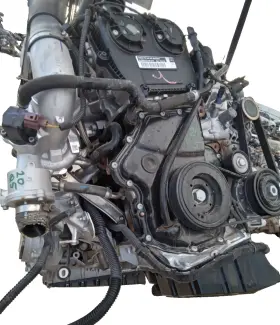
( Manufacturer Part Number: 6L100035F ), ( Type: Complete Assembly ), ( Engine Size: 2 L ), ( Block Type: Straight ), ( Number Of Valves: 16 ), ( Fuel Type: Gasoline )
Review AUDI 2.0l Engine Motor Assembly Djy Grade 33k Miles fits Q5 TURBO 2019–2020
The Audi 6L1-0035-F engine is a 2.0-liter, turbocharged four-cylinder powerhouse specifically designed for select models of the Audi Q5 SUV manufactured between the years 2019 and 2020. This engine, carrying the DJY 33K designation, is an essential part of Audi's advanced powertrain technology, providing a dynamic driving experience with impressive fuel efficiency.
The 2.0-liter capacity engine boasts a single overhead camshaft (SOHC) design and features a turbocharger that delivers significant power gains through increased air pressure. The turbocharger is integrated into the exhaust manifold, reducing exhaust gas length and improving overall engine responsiveness. With a maximum power output of approximately 190 horsepower at 4,500 RPM and 236 lb-ft of torque between 1,600 and 4,000 RPM, this engine guarantees a thrilling yet refined driving experience.
The Audi 6L1-0035-F engine's advanced technology includes fuel stratified injection, which optimizes fuel-air mixture for improved combustion efficiency and reduced emissions. This engine also incorporates Audi's sophisticated valvetronic system, which uses variable valve lift to optimize power output and fuel efficiency under various driving conditions.
Moreover, this engine is equipped with a twin-scroll turbocharger, which allows the exhaust gases from each cylinder bank to enter the turbine independently. This design reduces turbo lag and provides a more consistent power delivery across the entire RPM range, ensuring a responsive and engaging driving experience.
The Audi 6L1-0035-F engine is engineered to deliver impressive fuel efficiency while maintaining its powerful performance. It achieves this goal through a combination of advanced technologies, including start-stop system, thermal management system, and regenerative braking system. These features work together to minimize fuel consumption and reduce emissions, making this engine an eco-conscious choice for those seeking dynamic performance and sustainable driving.
In summary, the Audi 6L1-0035-F engine is a sophisticated, turbocharged 2.0-liter four-cylinder powerplant designed for select 2019-2020 Audi Q5 models. This engine delivers impressive power and torque, advanced fuel efficiency, and dynamic responsiveness, making it an essential component for those seeking a refined and engaging driving experience.
The Audi 2.0L TFSI Quattro engine with the motor code 6L1.0035F, also known as the "djy 33k" engine, is a popular choice for those seeking a balance between performance and efficiency in the Audi Q5 model from the years 2019 to 2020. Here are some potential advantages and disadvantages of purchasing a vehicle with this engine:
Advantages:1. Fuel Efficiency: The Audi 2.0L TFSI Quattro engine is known for its impressive fuel economy. It delivers an EPA-estimated 23 mpg in the city and 30 mpg on the highway, making it a relatively efficient choice for a compact luxury SUV.
2. Performance: This engine offers a good balance of power and torque, with 248 horsepower and 273 lb-ft of torque. This translates to responsive acceleration and smooth power delivery, making for an enjoyable driving experience.
3. All-Wheel Drive: The Quattro all-wheel-drive system is standard on the Audi Q5 with this engine, providing added traction and stability in various driving conditions.
Disadvantages:1. Maintenance Costs: Audi engines, in general, have a reputation for requiring more frequent and costly maintenance than some competitors. The 2.0L TFSI engine is no exception, as it features complex components like turbochargers and timing chains that require regular attention and potential replacement.
2. Repair Costs: In the event of a major repair, such as a turbocharger failure or timing chain issues, the cost of repairing an Audi Q5 with the 2.0L TFSI engine can be significantly higher than comparable vehicles from other brands.
3. Complexity: The Audi 2.0L TFSI engine is a complex piece of machinery, with numerous electronic components and intricate systems. This complexity can lead to potential issues that may require professional diagnosis and repair.
Conclusion:The Audi 2.0L TFSI Quattro engine offers a compelling combination of fuel efficiency, performance, and all-wheel drive for the Q5 model. However, its reputation for requiring frequent and costly maintenance, as well as potential repair expenses, should be carefully considered before making a purchase. Ultimately, if you're willing to accept the higher maintenance and repair costs associated with this engine, you'll likely enjoy a responsive and efficient driving experience.
Recommendation:If you're considering purchasing an Audi Q5 with the 2.0L TFSI engine, I would strongly recommend conducting thorough research on the vehicle's maintenance history and records. A well-maintained example from a trustworthy seller should offer a more reliable and cost-effective ownership experience. Additionally, consider investing in a comprehensive extended warranty to help mitigate the potential financial impact of any unexpected repairs.
Details:
Ensure the cooling system is flushed and functioning properly. The below installation checklist is not followed accordingly. If equipped within engine oil cooler the radiator or external must be replaced. Drain excess Orlando coolant from exhaust system.
The part is installed or operated outside the USA. Warranty does NOT cover labor, diagnostic,towing or rental car costs. Clear all computer diagnostic codes from the vehicle prior to installing. Replace the radiator or cooler if recommended by the manufacturer.
Replace engine oil, oil filter, air fuel filters, coolant-antifreeze. Fill the transmission with the OEM recommended fluids. Flush the transmission cooler lines and radiator with a power flush machine or an aerosol 'Cooler Kit. Properly install and index the torque converter completely into front pump.
In certain types of Transmissions,the TCM transmission controlling computer is incorporated with the Valve body which may require valve body to be replaced. If included, these parts are sold AS-IS with NO WARRANTY and were included to help protect the engine during storage and shipping. Disable fuel/ignition before attempting to start engine. Ensure this engine you are purchasing is the same application as one being replaced.
The recipient vehicle is converted from Private passenger use to commercial or fleet use, used for racing brother competition off-road recreational purposes. The part fails or becomes defective due to the vehicle being involved in a collision. Exchange the oilcan and pick-up tube. Replace the timing belt and water pump Install replacement spark plugs wires.
Verify the differential portion of the transmission is full fluid. This will ensure the cooling system is flowing. Clear all transmission computer codes in the vehicle prior to starting or operating. The parts failures caused by abuse, misuse, or modifications.
Ensure the purchased transmission is materially same as one to be replaced. Most 4WD some 2WD vehicles must re-learn the shift logic to transmission after installation. Service is not reimbursable. All crankshaft bolts that are drilled through sealant must be applied to avoid leaks.
Exchange attached accessory items to insure proper fit mounts, intake manifold, exhaust manifold, distributor, sensors. Remove oil pan and replace filter, remove torque converter strap and replace front seal. Transfer cases are not included with transmission from AWD automobiles. Examples of these non-warranty parts include switches, sensors,cables, coils, wires, injectors, electronics, belts including timing belt/chain, hoses, water pumps, brackets, intake/exhaust manifolds, oil pan sand Turbos/superchargers if equipped.
Inspect and replace rear seal as needed, and change over sensors needed. This will allow the oil to prime as indicated by manufacturer. Inspect and replace gaskets seals front seal, rear main valve cover gaskets,oil pan.
part #: 6l100035f prices
- $3150.00-$3611.99
specifications grokengines:
- for models: Q5, Turbo
- for makes: Audi
- for years: 2019-2020
- mpn: 6l100035f
- type: Complete Assembly
- engine size: 2 L
- block type: Straight
- number of valves: 16
- fuel type: Gasoline
payments grokengines:
- wallet: Paypal
- credit card: Mastercard
- other
shipping grokengines:
- type: Fixed
- class: Freight
- cost: $0.00
- service: Flat Rate Freight
returns grokengines:
- policy: Returns Accepted
- time: 60 Days
- paid by: Buyer
general grokengines:
- condition: Used
- Car Truck Parts Accessories > Engines Engine Parts > Engines
seller grokengines:
- # reviews: 890
- rating: 98.3%
- city: Las Cruces, New Mexico
offer grokengines:
- sold: 0
- availability: In Stock
- started: September 21, 2025
- options: Ship-to-home
- best offers: True
- quantity: 1
Audi 6L100035F Is Similar To:
- Audi 079-100-032-g Engine Motor Block Assembly 90k Oem 13-18 S6 S7 4.0t V8 Long (43% similar) Comes with all accessories. Complete engine assembly. Ran great when pulled...(May 21st, 2024)
- Audi 300-10513 Engine 2.0l Vin 2 5th Digit Id Cpm Fits 13-17 A5 (37.2% similar) These items need to be switched from your old engine for this function properly...(May 24th, 2024)
- Volkswagen 300-67008 15-17 Vw Golf R Audi S3 2.0l Engine Id Cyf (26.9% similar) Standard warranty...(June 4th, 2024)
- Audi 06e145601ag 09-19 A6 A7 A8 S4 S5 Q5 Sq5 Q7 Q8 3.0l V6 Tfsi Engine With Supercharger 119k (38.7% similar) Engine was pulled out of a 2012 audi s4 with 119K miles. Ran great no issues when pulled...(June 4th, 2024)
- Audi 300-76055b Engine 2.0l Id Cyfb Vin 1 5th Digit Fits 16-17 Tt (34.2% similar) No residential delivery. Benton harbor, mi 49022. Our 90 day parts only warranty covers all internal parts, the block and heads. Please ship the item back. N new part manufactured from scratch. Belt driven accessories like ac compressors, power steering pumps, and alternators their...(June 9th, 2024)
- Audi 300.au1a19 2020-2024 Q7 Q8 Engine 3.0l Dcb 10k Mi (47.6% similar) Standard warranty...(June 12th, 2024)
- Audi 300-10300 2018 Q5 2.0l Engine Motor Assembly 69k Oem (62.7% similar) Warranty does not cover labor, diagnostic, towing or rental car costs. Warranty does not cover labor, diagnostics, towing, rental car, or any other expense related to an item being defective/damaged. Replace engine oil, oil filter, air fuel filters, coolant-antifreeze. Someone over 18 must be...(June 13th, 2024)
- Audi 300-76993 2015 A6 3.0l Engine Motor Oem 126k Miles Lkq 384852853 (50.6% similar) Inspect and replace gaskets seals front seal, rear main valve cover gaskets, oil pan. If included these parts are sold as-is with no warranty and were to help protect the engine during storage shipping. Someone over 18 must be present for delivery. If equipped with an engine oil cooler the...(June 14th, 2024)
- Audi 300-76618 Engine Assembly 1.8l With Turbo 225 Hp Amu Fits 01-02 Tt (51.2% similar) Transmissions, when installing a transmission the torque converter needs to be seated properly on input shaft. Check the q a section for business support. If a return is accepted please ship the item back. Any bulbs or wiring still attached to the headlight assemblies are not warranted part...(June 17th, 2024)
- Audi 300-97015 2015 Q7 3.0l Engine Motor 6cyl Oem 85k Miles Lkq 387916257 (50.6% similar) Replace engine oil, oil filter, air fuel filters, coolant-antifreeze. Residential address - load is curbside delivery only. Warranty does not cover labor, diagnostic, towing or rental car costs. This listing is for 1 engine only, warranty covers the long block engine block, cylinder heads...(June 18th, 2024)
- Audi 059130755 2011-2016 Q5 Q7 A6 A7 A8 Tdi Diesel 3.0 Engine High Pressure Fuel Pump Oem (37.4% similar) This item came off from 2015 audi a7 TD 3.0L v6 diesel this has been tested before removing. This item is in good working condition...(June 18th, 2024)
