NISSAN Engine 300-77230C 4TH VG30 1649600
fits model: 300zx, Turbo. make: Nissan. year: 1987–1989.
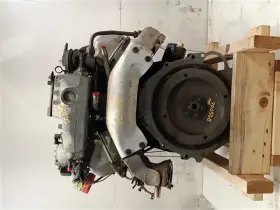
( Manufacturer Part Number: 300ZX ), ( Part Type: Engine ), ( Conditions Options: Rwd, 3.0, Aot-fl, Runs Good ), ( Genuine Oem: Yes ), ( Ipn: 300-77230c ), ( Manufacturer Warranty: 90 Day ), ( Partout Id: A-86084965 )
Review NISSAN Engine Without Vin4th Digit Fits fits 300ZX TURBO 1987–1989
The Nissan VG30 4-cylinder turbo engine, model number 300-77230C, was a high-performance powerplant used in the iconic 300ZX sports cars produced by Nissan between 1987 and 1989. This engine was part of the VG-series, which was renowned for its advanced technology and impressive power output.
The VG30 engine features a 3.0-liter displacement and a single Garrett T3/T4 turbocharger, which significantly enhances its power delivery. The turbocharger is intercooled, ensuring efficient and consistent power output across the entire rev range. The engine's compression ratio is 8.5:1, which is high for a turbocharged engine, allowing it to produce an impressive 222 horsepower and 246 lb-ft of torque.
The engine block is made from aluminum alloy, which reduces its weight while maintaining strength and durability. The cylinder bores are lined with Nissan's proprietary Nissan-RHB (Ring-Sealed High Boost) pistons. These pistons have a unique ring design that helps to contain the increased cylinder pressures generated by the turbocharger. The engine also features a cast iron crankshaft, forged connecting rods, and forged aluminum alloy pistons.
The VG30 engine uses a twin-camshaft, 16-valve DOHC (Double Overhead Camshaft) cylinder head design. This advanced configuration allows for greater engine efficiency, improved throttle response, and superior power output. The engine's intake and exhaust valves are actuated by two camshafts, which are driven by a timing chain. The camshafts are also adjustable via a hydraulic system, allowing for precise valve timing adjustments to optimize engine performance.
The engine is equipped with a Bosch Motronic ME7.9.2 engine management system, which controls fuel injection, ignition timing, and various other engine functions. The fuel system consists of a high-pressure fuel pump and a set of fuel injectors, which deliver fuel to the engine at the precise rate and pressure required for efficient combustion.
The cooling system includes a large aluminum radiator, a thermostat, a water pump, and a fan, all designed to maintain optimal engine temperature during high-performance driving. The engine also features a separate oil cooler, which helps to maintain the oil temperature during heavy use.
The VG30 engine's exhaust system includes a high-performance turbocharger, a catalytic converter, and a stainless steel exhaust manifold. The exhaust gases are routed through a front-mounted intercooler, which helps to cool the air that is compressed by the turbocharger before it enters the engine.
The engine's accessories include a power steering pump, an alternator, a water pump, and a power brake booster. The engine also features an electronic ignition system, which uses a distributorless ignition coil and a crankshaft position sensor to generate the spark required to ignite the fuel-air mixture in the engine's cylinders.
Overall, the Nissan VG30 3.0L turbocharged engine is a masterpiece of automotive engineering. Its advanced technology, impressive power output, and high-performance capabilities have made it a favorite among enthusiasts and collectors. Whether you're restoring a classic 300ZX or building a high-performance street machine, this engine is sure to provide the power and excitement you're looking for.
Pros and Cons of Buying a Nissan VG30 4th Gen Turbo Engine for a 1987-1989 300ZX
1. Pros:a. Power: The VG30 turbo engine delivers impressive power, providing a significant boost in performance compared to the non-turbo models.
b. Durability: These engines are known for their robustness and longevity, especially when well-maintained.
c. Availability: The VG30 turbo engine is quite common in the aftermarket, making it relatively easy to find, purchase, and install in your 300ZX.
d. Upgradability: There are numerous aftermarket modifications and performance upgrades available for this engine, allowing enthusiasts to customize it to their preferences.
2. Cons:a. Complexity: The turbocharged VG30 engine is more complex than the standard non-turbo engines, requiring more frequent maintenance and upkeep.
b. Cost: The cost of maintaining and repairing a VG30 turbo engine can be higher than a standard engine due to the additional components and complexity.
c. Fuel Efficiency: Turbocharged engines generally consume more fuel compared to their naturally-aspirated counterparts.
d. Emissions: Older turbo engines like the VG30 may not meet modern emissions standards, potentially requiring modifications or aftermarket solutions to make them compliant.
Ending Conclusion:The Nissan VG30 4th gen turbo engine offers substantial power and performance advantages for 1987-1989 300ZX owners. However, it comes with increased complexity, higher maintenance costs, and potential emissions concerns. If you're looking for more power and are willing to invest in the engine's maintenance, the VG30 turbo engine could be an excellent choice for your 300ZX. On the other hand, if you prioritize low maintenance costs and fuel efficiency, a non-turbo engine might be a better fit for your needs.
Recommendation:Before making a decision, carefully consider your priorities, budget, and technical capabilities. If you're an experienced car enthusiast with a good understanding of engine maintenance and the resources to invest in the VG30 turbo engine, it could provide you with an exhilarating driving experience. However, if you're a beginner or prefer a more straightforward and cost-effective solution, sticking with the non-turbo engine may be the better choice for your 1987-1989 300ZX.
Details:
The words un examined or unchecked on the delivery note/docket are not acceptable. Flush or replace transmission cooler and lines. Transmissions: Replace the following with new parts: front pump and output shaft seals, pan gaskets filter.
Shearing or breaking of teeth in a standard transmission is not warranted under any circumstances. This part may have accessories that are attached and must be removed or switched for proper installation. HASSLE-FREE: 12 MONTHS WARRANTY. Manual transmissions follow the same procedure as above if applicable.
Warranty is valid to original purchaser only. Engine warranty is contingent upon installation of new intake manifold gaskets. B Failure caused by towing a trailer unless your vehicle is rated the manufacturer for. Adjust shiftier and kick down cables linkage if applicable.
Clear all computer fault codes. Warranty is not transferable. Engine installations follow the procedures: Replace following parts if applicable: timing belt, water pump, thermostat, spark plugs, fluids, oil pan gasket, and filter. Failure caused by or related to collisions, theft, vandalism any act of God.
100% TESTED PARTS. Warranty is contingent upon oil and filter change per manufacturers specifications as to type at installation every 5,000 kilometres thereafter. All the above installation should be in accordance with manufacturer guidelines including proper quantity and fill levels of fluids any technical service bulletins updates.
Warranty covers slippage, shifting failures and/or bearing noise.
part #: 300zx prices
- $400.46-$3682.11
specifications grokengines:
- for models: 300zx, Turbo
- for makes: Nissan
- for years: 1987-1989
- mpn: 300zx
- part type: Engine
- conditions options: Rwd, 3.0, Aot-fl, Runs Good
- genuine oem: Yes
- ipn: 300-77230c
- manufacturer warranty: 90 Day
- partout id: A-86084965
seller grokengines:
- city: Bloomfield, Iowa
- rating: 94.7%
- # reviews: 18377
returns grokengines:
- policy: Returns Accepted
- paid by: Seller
- time: 60 Days
shipping grokengines:
- type: Fixed
- class: Freight
- transit: 14-17 Days
- cost: $0.00
- service: Flat Rate Freight
offer grokengines:
- sold: 0
- best offers: True
- availability: In Stock
- started: August 12, 2025
- options: Ship-to-home
- quantity: 1
general grokengines:
- Car Truck Parts Accessories > Engines Engine Parts > Engines
- condition: Used
payments grokengines:
- wallet: Google-pay
- other
- credit card: Visa
Nissan 300ZX Is Similar To:
- Nissan 101029hk2p Used Engine Assembly Fits 2016 Altima 2.5l Vin A 4th Digit Qr25 (44.8% similar) Unless specified as universal this is a direct fit engine complete assembly. Parts go back into cars rather than landfill. Original parts mean a perfect fit. A lot has changed since...(May 17th, 2024)
- Nissan 77100 2018 Pathfinder 3.5l Engine Motor 6cyl Oem 137k Miles Lkq384320476 (32.7% similar) Warranty does not cover labor, diagnostic, towing or rental car costs. Warranty does not cover labor, diagnostics, towing, rental car, or any other expense related to an item being defective/damaged. Replace engine oil, oil filter, air fuel filters, coolant-antifreeze. Residential address - load...(May 17th, 2024)
- Nissan 101026mraa Used Engine Assembly Fits 2020 Rogue Sport 2.0l Vin B 4th Digit (47.3% similar) Unless specified as universal this is a direct fit engine complete assembly. All parts are covered by warranty. Every part is cleaned, tested and inspected by experts. Parts go back into cars rather than landfill. This is provided for reference only and does...(May 18th, 2024)
- Nissan Vg33 96-00 Pathfinder 99-04 Frontier 97-00 Qx4 3.3l Sohc V6 Engine (25.5% similar) Parts included: engine head block. Cash on delivery. We must receive all of the parts that were included in sale for warranty to be valid. Warranty on the engine block and head starts from receiving date. Notes: actual item pictures. Mileage: 55,000 to 65,000 miles. The engine and...(May 20th, 2024)
- Nissan 300-10093 2020 Maxima 3.5l Engine Motor 6cyl Oem 94k Miles Lkq 383709535 (42.9% similar) Remove all cap-plugs orifice covers. No photos of the actual engine are available. Clear all computer diagnostic codes from the vehicle prior to installing. This will allow the oil to prime as indicated by manufacturer. This listing is for 1 engine only, warranty covers the long block...(May 21st, 2024)
- Nissan 300-65050 2021 Rogue 2.5l Engine Motor 4cyl Oem 57k Miles Lkq 386399097 (44.4% similar) If equipped with an engine oil cooler the radiator or external must be replaced. This listing is for 1 engine only, warranty covers the long block engine block, cylinder heads, head gasket, crankshaft, pistons, rods, bearings, oil pump, camshaft, valves lifters. Exchange attached...(May 22nd, 2024)
- Nissan 300-10334 2020 Nv 200 2.0l Engine Motor 4cyl Oem 169k Miles Lkq385696969 (37.6% similar) If equipped with an engine oil cooler the radiator or external must be replaced. On crankshaft bolts that are drilled through sealant must be applied to avoid leaks. Insure this engine is the same application as one being replaced. Install replacement spark plugs wires. Residential...(May 23rd, 2024)
- Nissan 10102ja0k3 Engine 3.5l Vin B 4th Digit Vq35de Fits 07-08 Altima (61% similar) Flush cooling system re-fill to proper level. They will not have any packaging included. Scan, record and clear all codes before removing original unit. This 2007 ultimo has a lot of great parts we now have in stock. Differentials: all internal lubricated parts within the drive axle...(May 23rd, 2024)
- Nissan Mr18 2007 2008 2009 2010 2011 2012 Versa Engine 1.8l Jdm Mr18de (27.3% similar) Pictures posted are of actual item and not sample photos. Loss caused by modification or forced induction nos, turbos, supercharged for which the engine was not designed. Limited warranty offered by top tier japan. Check cooling system and service if rusted or contaminated with oil replace...(May 24th, 2024)
- Nissan 300-77088b 2016 Versa 1.6l Engine Motor Oem 78k Miles Lkq 385109902 (45.6% similar) Warranty does not cover labor, diagnostic, towing or rental car costs. Attention: stock photo shows multiple engines. Install replacement spark plugs wires. If equipped with an engine oil cooler the radiator or external must be replaced. Residential address - load is curbside delivery...(May 25th, 2024)
- Nissan 300-77089 Engine 3.5l Vin A 4th Digit Vq35de Cvt Fits 15-17 Quest (60.3% similar) USA shipping costs listed in the offer are for to lower 48 states only. Shipping most shipping...(May 25th, 2024)
