AUDI 300-10589 Engine Motor 2.0L 4CYL 1K
fits model: Q5. make: Audi. year: 2020–2023.
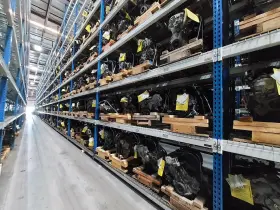
( Part Type: Engine Motor ), ( Engine Size: 2.0 ), ( Ipn: 300-10589 ), ( Genuine Oem: Yes ), ( Manufacturer Warranty: 6 Month ), ( Warranty Length: 6 Month Warranty ), ( Oe/oem Part Number: Dlga Dsma )
Review AUDI 2.0l Engine Motor 4cyl 1k Oem fits Q5 2020–2023
Introducing the Audi 2.0L TFSI engine, a key component powering the 2020, 2021, 2022, and 2023 Audi Q5 models. This 4-cylinder motor is identified by the part number 1K, and it's a fine representation of Audi's engineering prowess.
The 2.0L TFSI engine is characterized by its turbocharged and direct-injected design, which delivers exceptional power and efficiency. The turbocharger, which is neatly integrated into the engine, compresses air and forces it into the combustion chamber, enabling the engine to produce impressive torque even at low RPMs. Meanwhile, the direct fuel injection system ensures a crisp and efficient combustion process.
The engine boasts an impressive power output of 188 horsepower at 4,500 RPM and 236 lb-ft of torque between 1,600 and 4,500 RPM. These figures translate to responsive and agile performance, making the Audi Q5 a joy to drive.
Additionally, the 2.0L TFSI engine features advanced technologies such as start-stop system and thermal management system, which help to reduce fuel consumption and emissions. The start-stop system automatically shuts off the engine when the vehicle comes to a complete stop and restarts it when the driver presses the accelerator, while the thermal management system optimizes the engine's temperature for maximum efficiency.
The engine is also mated to a refined 7-speed S tronic dual-clutch automatic transmission, which offers seamless shifts and quick response times. The transmission works in tandem with the engine to deliver smooth and effortless acceleration, making the Q5 a standout in its class.
Overall, the Audi 2.0L TFSI engine is a testament to the brand's commitment to engineering excellence. It delivers impressive power and efficiency, advanced technologies, and smooth performance, making it a top choice for those seeking a dynamic and refined driving experience.
The Audi Q5 2.0L engine, specifically model number 1K, is a 4-cylinder motor that was available in the 2020, 2021, 2022, and 2023 Q5 models. Here are some pros and cons associated with buying this engine.
Pros:1. Fuel Efficiency: The 2.0L engine is known for its impressive fuel economy. It delivers an EPA-estimated 22 mpg in the city and 27 mpg on the highway.
2. Smooth Performance: The engine provides a refined driving experience with its responsive power delivery and smooth operation.
3. Quiet Operation: Engine noise is minimal, contributing to a quiet and comfortable cabin.
4. Reliability: Audi engines are generally known for their durability and reliability.
5. Turbocharged: The turbocharger delivers strong performance and helps the engine provide power in a broad RPM range.
Cons:1. Maintenance Costs: Audi engines are known for their high maintenance costs. The 2.0L engine may require more frequent oil changes and other maintenance tasks.
2. Repair Costs: In case of any issues, repair costs for Audi engines can be substantial.
3. Limited Power: Compared to larger engines, the 2.0L engine may not provide the same level of power and acceleration.
4. Cylinder Deactivation: The engine uses cylinder deactivation technology to save fuel. This can result in a noticeable difference in power when accelerating.
Conclusion:The Audi Q5 2.0L engine offers impressive fuel efficiency, smooth performance, and quiet operation. However, it comes with higher maintenance and repair costs compared to other engines. If you prioritize fuel economy and are willing to accept the additional costs, this engine could be a good choice for you. Otherwise, you may want to consider a larger engine with lower maintenance costs.
Recommendation:If you prioritize fuel efficiency and are willing to accept the higher maintenance costs, the Audi Q5 2.0L engine could be a good choice for you. However, if you prefer lower maintenance costs and don't mind sacrificing some fuel economy, you may want to consider a larger engine or a different vehicle make. Ultimately, the decision depends on your priorities and budget.
Details:
If equipped with an engine oil cooler the radiator or external must be replaced. This listing is for 1 ITEM ONLY, Warranty covers the Long Block Engine Block, Cylinder Heads, Head Gasket, Crankshaft, Pistons, Rods, Bearings, Oil Pump, Camshaft, Valves Lifters. Insure this engine is the same application as one being replaced. ATTENTION: Stock photo shows multiple items.
Disable fuel/ignition before attempting to start engine. Someone over 18 must be present for delivery. Exchange the flywheel and bolts. Inspect and replace gaskets seals front seal, rear main valve cover gaskets, oil pan.
Warranty does NOT cover labor, diagnostics, towing, rental car, or any other expense related to an item being defective/damaged. On crankshaft bolts that are drilled through sealant must be applied to avoid leaks. To aid in installation, you get to keep your current engine and all attached accessories. This will allow the oil to prime as indicated by manufacturer.
They will not have any packaging included. If included these parts are sold AS-IS with NO WARRANTY and were to help protect the engine during storage shipping. Residential Address - Load is curbside delivery ONLY. Replace water pump.
Install replacement spark plugs wires. Examples of these non-warranty parts include switches, sensors, cables, coils, wires, injectors, electronics, belts including timing belt/chain, hoses, water pumps, brackets, intake/exhaust manifolds, oil pans and turbos/superchargers if equipped. Drain excess oil and coolant from exhaust system. Replace engine oil, oil filter, air fuel filters, coolant-antifreeze.
No photos of the actual engine are available. Warranty does NOT cover labor, diagnostic, towing or rental car costs. Insure the cooling system is flushed and functioning properly. Exchange attached accessory items to insure proper fit mounts, intake manifold, exhaust distributor, sensors.
Remove all cap-plugs orifice covers. Clear all computer diagnostic codes from the vehicle prior to installing.
specifications grokengines:
- for models: Q5
- for makes: Audi
- for years: 2020-2023
- part type: Engine Motor
- engine size: 2.0
- ipn: 300-10589
- genuine oem: Yes
- manufacturer warranty: 6 Month
- warranty length: 6 Month Warranty
- oe/oem part number: Dlga Dsma
offer grokengines:
- options: Ship-to-home
- started: June 1, 2025
- sold: 0
- availability: In Stock
- quantity: 1
returns grokengines:
- time: 30 Days
- paid by: Buyer
- policy: Returns Accepted
seller grokengines:
- rating: 92.5%
- # reviews: 458327
- city: Burleson, Texas
shipping grokengines:
- service: Flat Rate Freight
- type: Fixed
- class: Freight
- transit: 12-17 Days
- cost: $0.00
general grokengines:
- condition: Used
- Car Truck Parts Accessories > Engines Engine Parts > Engines
payments grokengines:
- credit card: Visa
- other
- wallet: Paypal
Audi Is Similar To:
- Audi 079-100-032-g Engine Motor Block Assembly 90k Oem 13-18 S6 S7 4.0t V8 Long (46.6% similar) Comes with all accessories. Complete engine assembly. Ran great when pulled...(May 21st, 2024)
- Audi 300-10513 Engine 2.0l Vin 2 5th Digit Id Cpm Fits 13-17 A5 (40% similar) These items need to be switched from your old engine for this function properly...(May 24th, 2024)
- Volkswagen 300-67008 15-17 Vw Golf R Audi S3 2.0l Engine Id Cyf (38.5% similar) Standard warranty...(June 4th, 2024)
- Audi 06e145601ag 09-19 A6 A7 A8 S4 S5 Q5 Sq5 Q7 Q8 3.0l V6 Tfsi Engine With Supercharger 119k (42.5% similar) Engine was pulled out of a 2012 audi s4 with 119K miles. Ran great no issues when pulled...(June 4th, 2024)
- Audi 300-76055b Engine 2.0l Id Cyfb Vin 1 5th Digit Fits 16-17 Tt (34.8% similar) No residential delivery. Benton harbor, mi 49022. Our 90 day parts only warranty covers all internal parts, the block and heads. Please ship the item back. N new part manufactured from scratch. Belt driven accessories like ac compressors, power steering pumps, and alternators their...(June 9th, 2024)
- Audi 300.au1a19 2020-2024 Q7 Q8 Engine 3.0l Dcb 10k Mi (56.2% similar) Standard warranty...(June 12th, 2024)
- Audi 300-10300 2018 Q5 2.0l Engine Motor Assembly 69k Oem (74.2% similar) Warranty does not cover labor, diagnostic, towing or rental car costs. Warranty does not cover labor, diagnostics, towing, rental car, or any other expense related to an item being defective/damaged. Replace engine oil, oil filter, air fuel filters, coolant-antifreeze. Someone over 18 must be...(June 13th, 2024)
- Audi 300-76993 2015 A6 3.0l Engine Motor Oem 126k Miles Lkq 384852853 (52.9% similar) Inspect and replace gaskets seals front seal, rear main valve cover gaskets, oil pan. If included these parts are sold as-is with no warranty and were to help protect the engine during storage shipping. Someone over 18 must be present for delivery. If equipped with an engine oil cooler the...(June 14th, 2024)
- Audi 300-76618 Engine Assembly 1.8l With Turbo 225 Hp Amu Fits 01-02 Tt (30.4% similar) Transmissions, when installing a transmission the torque converter needs to be seated properly on input shaft. Check the q a section for business support. If a return is accepted please ship the item back. Any bulbs or wiring still attached to the headlight assemblies are not warranted part...(June 17th, 2024)
- Audi 300-97015 2015 Q7 3.0l Engine Motor 6cyl Oem 85k Miles Lkq 387916257 (55.7% similar) Replace engine oil, oil filter, air fuel filters, coolant-antifreeze. Residential address - load is curbside delivery only. Warranty does not cover labor, diagnostic, towing or rental car costs. This listing is for 1 engine only, warranty covers the long block engine block, cylinder heads...(June 18th, 2024)
- Audi 059130755 2011-2016 Q5 Q7 A6 A7 A8 Tdi Diesel 3.0 Engine High Pressure Fuel Pump Oem (44.9% similar) This item came off from 2015 audi a7 TD 3.0L v6 diesel this has been tested before removing. This item is in good working condition...(June 18th, 2024)
