TOYOTA 17A10-77040 Mirai Electric Engine Fell Cell 16-17-18-19-20 JPD10 AK250870
fits model: Fwd. make: Toyota. year: 2016–2020.
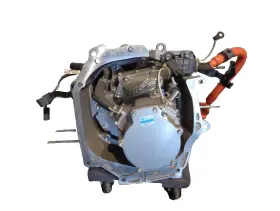
( Manufacturer Part Number: 17A10-77040 ), ( Part Type: Engine Cell ), ( Ipn: 16 17 18 19 20 ), ( Manufacturer Warranty: 3 Months ), ( Oe/oem Part Number: T280a, 01314, 17a1a-77010, 17a90-77010 ), ( Vintage Part: No ), ( Country/region Of Manufacture: Japan ), ( Fuel Type: Hydrogen )
Review TOYOTA Mirai Electric Engine Fell Cell Oem fits FWD 2016–2020
Introducing the Toyota 17A10-77040 16-20 Mirai FWD Electric Engine Fell Cell, a key component of the advanced powertrain system in the 2016-2020 Toyota Mirai. This electric engine fell cell, also known as a fuel cell, is a critical element of the Mirai's hydrogen fuel cell system, which converts hydrogen fuel into electricity to power the vehicle.
The 17A10-77040 fuel cell is a compact and efficient unit, measuring approximately 1,072 mm (42.2 inches) long, 635 mm (24.9 inches) wide, and 370 mm (14.6 inches) tall. It is designed to provide a driving range of up to 402 miles (647 kilometers) on a single tank of hydrogen fuel, making it an ideal solution for long-distance travel.
This particular model is a forward-wheel drive (FWD) unit, meaning that the electric motor is located at the front wheels to provide power to the vehicle. The fuel cell produces electricity through an electrochemical reaction between hydrogen fuel and oxygen from the air. The resulting electricity is used to power the electric motor, which in turn drives the wheels.
The 17A10-77040 fuel cell is composed of several key components, including the anode, cathode, membrane electrode assembly (MEA), and bipolar plates. Hydrogen fuel enters the anode side of the cell and is split into protons and electrons through an electrochemical reaction. The protons migrate through the membrane electrode assembly to the cathode side of the cell, where they combine with oxygen from the air and form water as a byproduct. The electrons flow through an external circuit to generate electricity, which is then used to power the vehicle.
The 17A10-77040 fuel cell is also equipped with a cooling system to maintain optimal operating temperatures. This system, which includes a liquid coolant and a cooling fan, helps to ensure that the fuel cell operates efficiently and effectively, even in extreme temperatures.
Overall, the Toyota 17A10-77040 16-20 Mirai FWD Electric Engine Fell Cell is a state-of-the-art component of the Mirai's hydrogen fuel cell powertrain system. It is designed to provide efficient, clean, and long-lasting power to the vehicle, making it an excellent choice for environmentally-conscious drivers who value performance and range.
The Toyota Mirai, specifically the 17A10-77040 model with a forward drivetrain and the JPD10 Ak250870 electric engine using a fell cell, is a hydrogen fuel cell electric vehicle (FCEV) produced by Toyota. FCEVs produce electricity through a chemical reaction between hydrogen fuel and oxygen from the air. Here are some pros and cons of buying this particular Mirai model:
Pros:1. Zero Emissions: The Mirai produces only water vapor as a byproduct of its operation, making it an excellent choice for those looking to minimize their carbon footprint.
2. Long Range: With a full hydrogen tank, the Mirai can travel up to 312 miles on a single fill, offering greater convenience and freedom compared to battery electric vehicles with similar ranges.
3. Quick Refueling: Hydrogen fueling stations can refill the Mirai's tank in just a few minutes, significantly reducing the time spent compared to charging battery electric vehicles.
4. Smooth and Quiet Operation: The Mirai's electric motor provides instant torque and a smooth driving experience, while the absence of a traditional internal combustion engine results in a quiet and comfortable cabin.
5. Government Incentives: In some regions, there are incentives and tax credits available for purchasing a hydrogen fuel cell electric vehicle, which can help offset the initial cost.
Cons:1. Limited Availability: Hydrogen fueling infrastructure is not as widespread as that of battery electric vehicles, making it more challenging to find a refueling station, especially in rural areas.
2. High Upfront Cost: The Mirai's price tag is significantly higher than that of comparable battery electric vehicles, which may be a barrier for some potential buyers.
3. Hydrogen Production: The production of hydrogen, particularly from non-renewable sources, can contribute to greenhouse gas emissions. However, renewable hydrogen produced through wind, solar, or other clean energy sources is gaining popularity and can help mitigate this concern.
4. Maintenance: Although the Mirai's hydrogen fuel cell system requires less maintenance than a traditional internal combustion engine, it does require periodic inspections and maintenance, which can add to the overall cost.
In conclusion, the Toyota Mirai 17A10-77040 is an excellent choice for those seeking a zero-emissions vehicle with a long range and quick refueling capabilities. Its smooth operation and government incentives add to its appeal. However, its high upfront cost, limited availability of hydrogen fueling infrastructure, and potential concerns regarding hydrogen production may deter some buyers. Ultimately, the decision to purchase the Mirai should be based on individual preferences, driving habits, and budget considerations. If the benefits of hydrogen fuel cell technology align with your needs, the Mirai could be an excellent investment. Otherwise, considering a battery electric vehicle with a similar range and charging infrastructure may be a more suitable option.
Details:
Vehicle model: MIRAI. Vehicle Make: TOYOTA. The item is a different color than what you thought. The item has small scratches or normal wear due to the fact that these are used parts.
part #: 17a1077040 prices
- $163.00-$1147.50
specifications grokengines:
- for models: Fwd
- for makes: Toyota
- for years: 2016-2020
- mpn: 17a10-77040
- part type: Engine Cell
- ipn: 16 17 18 19 20
- manufacturer warranty: 3 Months
- oe/oem part number: T280a, 01314, 17a1a-77010, 17a90-77010
- vintage part: No
- country/region of manufacture: Japan
- fuel type: Hydrogen
returns grokengines:
- paid by: Buyer
- policy: Returns Accepted
- time: 30 Days
seller grokengines:
- city: Sacramento, California
- rating: 98.1%
- # reviews: 5850
general grokengines:
- condition: Used
- Car Truck Parts Accessories > Engines Engine Parts > Engines
offer grokengines:
- options: Ship-to-home
- availability: In Stock
- sold: 0
- started: August 6, 2025
- best offers: True
- quantity: 1
shipping grokengines:
- class: Freight
- transit: 14-19 Days
- type: Fixed
- cost: $375.00
- service: Flat Rate Freight
payments grokengines:
- other
- credit card: Diners-club
- wallet: Apple-pay
Toyota 17A10-77040 Is Similar To:
- Toyota 93 Fzj80 91 Land Cruiser Fj80 Axle Bolt Frame Oem 7 (33.6% similar) Part #: toyota 93 FZJ80 for sale...(May 17th, 2024)
- Toyota 300 Gs300 Jdm Supra 2jzgte Engine 3.0l Jza80 V160 Getrag 6speed Manual Transmission (35.5% similar) Whats included: JD 2JZ-GTE rear sump motor 6 speed manual transmission get rag cylinder head block, valve cover, throttle body, oil pan, intake manifold turbo partial wiring harness ecu etc. A used JD imported japan direct toyota supra 2 zygote engine rear sump 3.0L JZA80 V160 get rag 6 speed...(May 17th, 2024)
- Scion Fa20 Dawb8a-085 Fr-s 6 Speed M t Engine Motor Toyota Gt 86 Subaru Brz 13-20 100k (32.7% similar) Please refill the oil prior to starting up. Confirm fitment with your dealer or mechanic. Our shipping price is for delivery to a commercial address with loading bay or forklift only...(May 18th, 2024)
- Toyota 300-65150a Engine 3.5l Vin Z 5th Digit 2grfks Fits 16-19 Lexus Rx350 (36.4% similar) Flush cooling system and re-fill. Engines are guaranteed against knocking and excessive smoking. Replace valve cover gaskets. Pre-installation requirements: drain and replace engine...(May 18th, 2024)
- Toyota 65323b 2008 Solara 2.4l Engine Motor 4cyl Oem 142k Miles Lkq 384981773 (42.3% similar) Remove all cap-plugs orifice covers. Insure the cooling system is flushed and functioning properly. Clear all computer diagnostic codes from the vehicle prior to installing. Attention: stock photo shows multiple engines. Exchange the flywheel and bolts. Drain excess oil and coolant from...(May 20th, 2024)
- Toyota 300-10773 Engine 2.5l Fits 18-19 Camry (38.7% similar) Larry was the son of a small business owner and understood importance ethics honesty in. Upon purchase, parts are thoroughly cleaned and available for pick-up or delivery. In 2005 after a battle with leukemia, Larry passed and left the business to his two sons, Ben Jeff...(May 20th, 2024)
- Toyota 300-65119a Engine 1.8l Vin 8 8th Digit Fits 2000-2002 Geo Prizm (32.2% similar) No expedited shipping is available. Help message...(May 21st, 2024)
- Toyota 300-10438 2021 Highlander 3.5l Engine Motor 6cyl Oem 31k Miles Lkq 385431701 (46.9% similar) If equipped with an engine oil cooler the radiator or external must be replaced. Install replacement spark plugs wires. Disable fuel/ignition before attempting to start engine. Insure this engine is the same application as one being replaced. Exchange attached accessory items to insure...(May 22nd, 2024)
- Toyota 190000t341 Used Engine Assembly Fits 2019 Corolla Sdn 1.8l Vin U 5th Digit (33.8% similar) Every part is cleaned, tested and inspected by experts. Parts go back into cars rather than landfill. This part fits vehicles made in the following years 2017 ,2018,2019. Original parts mean a perfect fit. All parts are covered by warranty. Unless specified as universal this is a direct...(May 22nd, 2024)
- Toyota 1nz-fxe 2004 2005 2006 2007 2008 2009 Prius Engine 1nz Hybrid 1.5l (38.2% similar) Decrease in performance of any covered part due to normal wear and tear unless actual breakdown occurs, having regard inherent manufacturing faults some engine model's. Rotary engines Mazda RX-7 13BT/13BTT/20B - no warranty, the engine if it is used for competitive driving, drifting or...(May 22nd, 2024)
- Toyota 300-65004 2015 4runner 4.0l Engine Motor 6cyl Oem 118k Miles Lkq384080952 (46% similar) No photos of the actual engine are available. Clear all computer diagnostic codes from the vehicle prior to installing. Install replacement spark plugs wires. Residential address - load is curbside delivery only. Disable fuel/ignition before attempting to start engine. If included these...(May 22nd, 2024)
